Home

Deliver the final design files to stakeholders or clients

As a designer, you’ve put in the hard work to create a fantastic design. Now, it’s time to share the final files with your stakeholders or clients. Here’s a step-by-step guide to ensure a smooth and successful delivery

Step 1: Gather Materials

Printed copies of your design concept sketches or previous work
Magazines, catalogs, and books that inspire you
Fabric swatches, wallpaper samples, or other materials that add texture and interest
Digital tools like Adobe Photoshop or Canva for creating a digital mood board

Step 2: Identify Key Elements

Identify the key elements that define the desired aesthetic and atmosphere:
Color palette: choose 2-3 core colors that evoke the desired mood
Typography: select font styles or typography that align with the mood
Imagery: identify the types of images that fit the mood (e.g., nature, cityscapes, abstract)
Texture: consider the textures that add depth and interest (e.g., rough, smooth, organic)
Mood words: identify key words that describe the desired mood (e.g., calm, energetic, playful)

Step 3: Create a Physical Mood Board

Use a large piece of cardboard, foam board, or paper to create a physical mood board
Arrange the gathered materials in a way that visually represents the desired aesthetic and atmosphere
Add notes, stickers, or other embellishments to reinforce key elements
Step back and review the board to ensure it effectively communicates the desired mood

Step 4: Create a Digital Mood Board

Use Adobe Photoshop or Canva to create a digital mood board
Choose a background color or texture that sets the tone for the design
Add layers for each key element (color palette, typography, imagery, texture)
Adjust sizes, colors, and opacity to achieve the desired balance and visual interest
Save the mood board as a high-resolution file for future reference
Example Mood Board

Here’s an example mood board for a fictional coffee shop:

Physical Mood Board

Background: Warm beige cardboard
Color palette: Rich brown (#754975), creamy white (#F5F5F5), and deep green (#2E865F)
Typography: Serif font with a vintage feel (e.g., Playfair Display)
Imagery: Cozy coffee shop scenes with warm lighting, rustic wood accents, and lush greenery
Texture: Rough-hewn wooden planks and woven baskets
Mood words: Cozy, inviting, earthy

Digital Mood Board

[Image description: A digital mood board with a warm beige background. A rich brown color block sits at the top-left corner, with creamy white text overlay. A vintage-style font reads “Cozy Cup Coffee” in bold letters. Below this is a collage of coffee shop scenes with warm lighting, rustic wood accents, and lush greenery. The background is textured with rough-hewn wooden planks and woven baskets.]

This mood board captures the desired aesthetic and atmosphere of the coffee shop: cozy, inviting, and earthy. The rich color palette and vintage typography evoke a sense of warmth and comfort, while the imagery conveys the rustic charm of the coffee shop.
Provide guidelines for using the logo effectively

Use the minimum size guideline to ensure the logo is visible and recognizable on various digital platforms, including social media, email, and website headers.

Step 1: Gather Materials

Printed copies of your design concept sketches or previous work
Magazines, catalogs, and books that inspire you
Fabric swatches, wallpaper samples, or other materials that add texture and interest
Digital tools like Adobe Photoshop or Canva for creating a digital mood board

Step 2: Identify Key Elements

Identify the key elements that define the desired aesthetic and atmosphere:
Color palette: choose 2-3 core colors that evoke the desired mood
Typography: select font styles or typography that align with the mood
Imagery: identify the types of images that fit the mood (e.g., nature, cityscapes, abstract)
Texture: consider the textures that add depth and interest (e.g., rough, smooth, organic)
Mood words: identify key words that describe the desired mood (e.g., calm, energetic, playful)

Step 3: Create a Physical Mood Board

Use a large piece of cardboard, foam board, or paper to create a physical mood board
Arrange the gathered materials in a way that visually represents the desired aesthetic and atmosphere
Add notes, stickers, or other embellishments to reinforce key elements
Step back and review the board to ensure it effectively communicates the desired mood

Step 4: Create a Digital Mood Board

Use Adobe Photoshop or Canva to create a digital mood board
Choose a background color or texture that sets the tone for the design
Add layers for each key element (color palette, typography, imagery, texture)
Adjust sizes, colors, and opacity to achieve the desired balance and visual interest
Save the mood board as a high-resolution file for future reference
Example Mood Board

Here’s an example mood board for a fictional coffee shop:

Physical Mood Board

Background: Warm beige cardboard
Color palette: Rich brown (#754975), creamy white (#F5F5F5), and deep green (#2E865F)
Typography: Serif font with a vintage feel (e.g., Playfair Display)
Imagery: Cozy coffee shop scenes with warm lighting, rustic wood accents, and lush greenery
Texture: Rough-hewn wooden planks and woven baskets
Mood words: Cozy, inviting, earthy

Digital Mood Board

[Image description: A digital mood board with a warm beige background. A rich brown color block sits at the top-left corner, with creamy white text overlay. A vintage-style font reads “Cozy Cup Coffee” in bold letters. Below this is a collage of coffee shop scenes with warm lighting, rustic wood accents, and lush greenery. The background is textured with rough-hewn wooden planks and woven baskets.]

This mood board captures the desired aesthetic and atmosphere of the coffee shop: cozy, inviting, and earthy. The rich color palette and vintage typography evoke a sense of warmth and comfort, while the imagery conveys the rustic charm of the coffee shop.
Consider different perspectives and opinions to ensure the design is widely accepted

When considering different perspectives and opinions, you’re ensuring that your design is inclusive, accessible, and appealing to a wide range of users. This approach helps to

Step 1: Gather Materials

Printed copies of your design concept sketches or previous work
Magazines, catalogs, and books that inspire you
Fabric swatches, wallpaper samples, or other materials that add texture and interest
Digital tools like Adobe Photoshop or Canva for creating a digital mood board

Step 2: Identify Key Elements

Identify the key elements that define the desired aesthetic and atmosphere:
Color palette: choose 2-3 core colors that evoke the desired mood
Typography: select font styles or typography that align with the mood
Imagery: identify the types of images that fit the mood (e.g., nature, cityscapes, abstract)
Texture: consider the textures that add depth and interest (e.g., rough, smooth, organic)
Mood words: identify key words that describe the desired mood (e.g., calm, energetic, playful)

Step 3: Create a Physical Mood Board

Use a large piece of cardboard, foam board, or paper to create a physical mood board
Arrange the gathered materials in a way that visually represents the desired aesthetic and atmosphere
Add notes, stickers, or other embellishments to reinforce key elements
Step back and review the board to ensure it effectively communicates the desired mood

Step 4: Create a Digital Mood Board

Use Adobe Photoshop or Canva to create a digital mood board
Choose a background color or texture that sets the tone for the design
Add layers for each key element (color palette, typography, imagery, texture)
Adjust sizes, colors, and opacity to achieve the desired balance and visual interest
Save the mood board as a high-resolution file for future reference
Example Mood Board

Here’s an example mood board for a fictional coffee shop:

Physical Mood Board

Background: Warm beige cardboard
Color palette: Rich brown (#754975), creamy white (#F5F5F5), and deep green (#2E865F)
Typography: Serif font with a vintage feel (e.g., Playfair Display)
Imagery: Cozy coffee shop scenes with warm lighting, rustic wood accents, and lush greenery
Texture: Rough-hewn wooden planks and woven baskets
Mood words: Cozy, inviting, earthy

Color palette selection, contrast, and harmony

The wonderful world of color!

Color palette selection, contrast, and harmony are essential elements in designing visually appealing and effective visual communications. Here’s a breakdown of each:

Color Palette Selection

A color palette is a selection of colors used in a design project. When choosing a color palette, consider the following:

Step 1: Gather Materials

Printed copies of your design concept sketches or previous work
Magazines, catalogs, and books that inspire you
Fabric swatches, wallpaper samples, or other materials that add texture and interest
Digital tools like Adobe Photoshop or Canva for creating a digital mood board

Step 2: Identify Key Elements

Identify the key elements that define the desired aesthetic and atmosphere:
Color palette: choose 2-3 core colors that evoke the desired mood
Typography: select font styles or typography that align with the mood
Imagery: identify the types of images that fit the mood (e.g., nature, cityscapes, abstract)
Texture: consider the textures that add depth and interest (e.g., rough, smooth, organic)
Mood words: identify key words that describe the desired mood (e.g., calm, energetic, playful)

Step 3: Create a Physical Mood Board

Use a large piece of cardboard, foam board, or paper to create a physical mood board
Arrange the gathered materials in a way that visually represents the desired aesthetic and atmosphere
Add notes, stickers, or other embellishments to reinforce key elements
Step back and review the board to ensure it effectively communicates the desired mood

Step 4: Create a Digital Mood Board

Use Adobe Photoshop or Canva to create a digital mood board
Choose a background color or texture that sets the tone for the design
Add layers for each key element (color palette, typography, imagery, texture)
Adjust sizes, colors, and opacity to achieve the desired balance and visual interest
Save the mood board as a high-resolution file for future reference
Example Mood Board

Here’s an example mood board for a fictional coffee shop:

Physical Mood Board

Background: Warm beige cardboard
Color palette: Rich brown (#754975), creamy white (#F5F5F5), and deep green (#2E865F)
Typography: Serif font with a vintage feel (e.g., Playfair Display)
Imagery: Cozy coffee shop scenes with warm lighting, rustic wood accents, and lush greenery
Texture: Rough-hewn wooden planks and woven baskets
Mood words: Cozy, inviting, earthy

Develop a more detailed design concept, including typography, color palette, and imagery

Based on the initial concept of a modern and futuristic travel company, I’d like to propose a more detailed design concept that incorporates typography, color palette, and imagery.

Step 1: Gather Materials

Printed copies of your design concept sketches or previous work
Magazines, catalogs, and books that inspire you
Fabric swatches, wallpaper samples, or other materials that add texture and interest
Digital tools like Adobe Photoshop or Canva for creating a digital mood board

Step 2: Identify Key Elements

Identify the key elements that define the desired aesthetic and atmosphere:
Color palette: choose 2-3 core colors that evoke the desired mood
Typography: select font styles or typography that align with the mood
Imagery: identify the types of images that fit the mood (e.g., nature, cityscapes, abstract)
Texture: consider the textures that add depth and interest (e.g., rough, smooth, organic)
Mood words: identify key words that describe the desired mood (e.g., calm, energetic, playful)

Step 3: Create a Physical Mood Board

Use a large piece of cardboard, foam board, or paper to create a physical mood board
Arrange the gathered materials in a way that visually represents the desired aesthetic and atmosphere
Add notes, stickers, or other embellishments to reinforce key elements
Step back and review the board to ensure it effectively communicates the desired mood

Step 4: Create a Digital Mood Board

Use Adobe Photoshop or Canva to create a digital mood board
Choose a background color or texture that sets the tone for the design
Add layers for each key element (color palette, typography, imagery, texture)
Adjust sizes, colors, and opacity to achieve the desired balance and visual interest
Save the mood board as a high-resolution file for future reference
Example Mood Board

Here’s an example mood board for a fictional coffee shop:

Physical Mood Board

Background: Warm beige cardboard
Color palette: Rich brown (#754975), creamy white (#F5F5F5), and deep green (#2E865F)
Typography: Serif font with a vintage feel (e.g., Playfair Display)
Imagery: Cozy coffee shop scenes with warm lighting, rustic wood accents, and lush greenery
Texture: Rough-hewn wooden planks and woven baskets
Mood words: Cozy, inviting, earthy

Brainstorm different concepts and variations

I’d be happy to help you brainstorm different concepts and variations. Can you please provide some more context or details about what you’re looking for? For example

Step 1: Gather Materials

Printed copies of your design concept sketches or previous work
Magazines, catalogs, and books that inspire you
Fabric swatches, wallpaper samples, or other materials that add texture and interest
Digital tools like Adobe Photoshop or Canva for creating a digital mood board

Step 2: Identify Key Elements

Identify the key elements that define the desired aesthetic and atmosphere:
Color palette: choose 2-3 core colors that evoke the desired mood
Typography: select font styles or typography that align with the mood
Imagery: identify the types of images that fit the mood (e.g., nature, cityscapes, abstract)
Texture: consider the textures that add depth and interest (e.g., rough, smooth, organic)
Mood words: identify key words that describe the desired mood (e.g., calm, energetic, playful)

Step 3: Create a Physical Mood Board

Use a large piece of cardboard, foam board, or paper to create a physical mood board
Arrange the gathered materials in a way that visually represents the desired aesthetic and atmosphere
Add notes, stickers, or other embellishments to reinforce key elements
Step back and review the board to ensure it effectively communicates the desired mood

Step 4: Create a Digital Mood Board

Use Adobe Photoshop or Canva to create a digital mood board
Choose a background color or texture that sets the tone for the design
Add layers for each key element (color palette, typography, imagery, texture)
Adjust sizes, colors, and opacity to achieve the desired balance and visual interest
Save the mood board as a high-resolution file for future reference
Example Mood Board

Here’s an example mood board for a fictional coffee shop:

Physical Mood Board

Background: Warm beige cardboard
Color palette: Rich brown (#754975), creamy white (#F5F5F5), and deep green (#2E865F)
Typography: Serif font with a vintage feel (e.g., Playfair Display)
Imagery: Cozy coffee shop scenes with warm lighting, rustic wood accents, and lush greenery
Texture: Rough-hewn wooden planks and woven baskets
Mood words: Cozy, inviting, earthy

Identify the key message and personality of the brand

I’d be happy to help you identify the key message and personality of a brand! To do this, I’ll need some information about the brand.

Step 1: Gather Materials

Printed copies of your design concept sketches or previous work
Magazines, catalogs, and books that inspire you
Fabric swatches, wallpaper samples, or other materials that add texture and interest
Digital tools like Adobe Photoshop or Canva for creating a digital mood board

Step 2: Identify Key Elements

Identify the key elements that define the desired aesthetic and atmosphere:
Color palette: choose 2-3 core colors that evoke the desired mood
Typography: select font styles or typography that align with the mood
Imagery: identify the types of images that fit the mood (e.g., nature, cityscapes, abstract)
Texture: consider the textures that add depth and interest (e.g., rough, smooth, organic)
Mood words: identify key words that describe the desired mood (e.g., calm, energetic, playful)

Step 3: Create a Physical Mood Board

Use a large piece of cardboard, foam board, or paper to create a physical mood board
Arrange the gathered materials in a way that visually represents the desired aesthetic and atmosphere
Add notes, stickers, or other embellishments to reinforce key elements
Step back and review the board to ensure it effectively communicates the desired mood

Step 4: Create a Digital Mood Board

Use Adobe Photoshop or Canva to create a digital mood board
Choose a background color or texture that sets the tone for the design
Add layers for each key element (color palette, typography, imagery, texture)
Adjust sizes, colors, and opacity to achieve the desired balance and visual interest
Save the mood board as a high-resolution file for future reference
Example Mood Board

Here’s an example mood board for a fictional coffee shop:

Physical Mood Board

Background: Warm beige cardboard
Color palette: Rich brown (#754975), creamy white (#F5F5F5), and deep green (#2E865F)
Typography: Serif font with a vintage feel (e.g., Playfair Display)
Imagery: Cozy coffee shop scenes with warm lighting, rustic wood accents, and lush greenery
Texture: Rough-hewn wooden planks and woven baskets
Mood words: Cozy, inviting, earthy

Create high-resolution files for various applications

Here are some examples of how to create high-resolution files for various applications

Step 1: Gather Materials

Printed copies of your design concept sketches or previous work
Magazines, catalogs, and books that inspire you
Fabric swatches, wallpaper samples, or other materials that add texture and interest
Digital tools like Adobe Photoshop or Canva for creating a digital mood board

Step 2: Identify Key Elements

Identify the key elements that define the desired aesthetic and atmosphere:
Color palette: choose 2-3 core colors that evoke the desired mood
Typography: select font styles or typography that align with the mood
Imagery: identify the types of images that fit the mood (e.g., nature, cityscapes, abstract)
Texture: consider the textures that add depth and interest (e.g., rough, smooth, organic)
Mood words: identify key words that describe the desired mood (e.g., calm, energetic, playful)

Step 3: Create a Physical Mood Board

Use a large piece of cardboard, foam board, or paper to create a physical mood board
Arrange the gathered materials in a way that visually represents the desired aesthetic and atmosphere
Add notes, stickers, or other embellishments to reinforce key elements
Step back and review the board to ensure it effectively communicates the desired mood

Step 4: Create a Digital Mood Board

Use Adobe Photoshop or Canva to create a digital mood board
Choose a background color or texture that sets the tone for the design
Add layers for each key element (color palette, typography, imagery, texture)
Adjust sizes, colors, and opacity to achieve the desired balance and visual interest
Save the mood board as a high-resolution file for future reference
Example Mood Board

Here’s an example mood board for a fictional coffee shop:

Physical Mood Board

Background: Warm beige cardboard
Color palette: Rich brown (#754975), creamy white (#F5F5F5), and deep green (#2E865F)
Typography: Serif font with a vintage feel (e.g., Playfair Display)
Imagery: Cozy coffee shop scenes with warm lighting, rustic wood accents, and lush greenery
Texture: Rough-hewn wooden planks and woven baskets
Mood words: Cozy, inviting, earthy

Gather feedback and incorporate revisions to improve the design

The iterative design process! Here’s a step-by-step guide on how to gather feedback and incorporate revisions to improve the design

Step 1: Gather Materials

Printed copies of your design concept sketches or previous work
Magazines, catalogs, and books that inspire you
Fabric swatches, wallpaper samples, or other materials that add texture and interest
Digital tools like Adobe Photoshop or Canva for creating a digital mood board

Step 2: Identify Key Elements

Identify the key elements that define the desired aesthetic and atmosphere:
Color palette: choose 2-3 core colors that evoke the desired mood
Typography: select font styles or typography that align with the mood
Imagery: identify the types of images that fit the mood (e.g., nature, cityscapes, abstract)
Texture: consider the textures that add depth and interest (e.g., rough, smooth, organic)
Mood words: identify key words that describe the desired mood (e.g., calm, energetic, playful)

Step 3: Create a Physical Mood Board

Use a large piece of cardboard, foam board, or paper to create a physical mood board
Arrange the gathered materials in a way that visually represents the desired aesthetic and atmosphere
Add notes, stickers, or other embellishments to reinforce key elements
Step back and review the board to ensure it effectively communicates the desired mood

Step 4: Create a Digital Mood Board

Use Adobe Photoshop or Canva to create a digital mood board
Choose a background color or texture that sets the tone for the design
Add layers for each key element (color palette, typography, imagery, texture)
Adjust sizes, colors, and opacity to achieve the desired balance and visual interest
Save the mood board as a high-resolution file for future reference
Example Mood Board

Here’s an example mood board for a fictional coffee shop:

Physical Mood Board

Background: Warm beige cardboard
Color palette: Rich brown (#754975), creamy white (#F5F5F5), and deep green (#2E865F)
Typography: Serif font with a vintage feel (e.g., Playfair Display)
Imagery: Cozy coffee shop scenes with warm lighting, rustic wood accents, and lush greenery
Texture: Rough-hewn wooden planks and woven baskets
Mood words: Cozy, inviting, earthy

Digital Mood Board

[Image description: A digital mood board with a warm beige background. A rich brown color block sits at the top-left corner, with creamy white text overlay. A vintage-style font reads “Cozy Cup Coffee” in bold letters. Below this is a collage of coffee shop scenes with warm lighting, rustic wood accents, and lush greenery. The background is textured with rough-hewn wooden planks and woven baskets.

Typography font choice, size, and spacing

Typography is a crucial aspect of visual design, and choosing the right font, size, and spacing can greatly impact the readability, aesthetics, and overall effectiveness of your design. Here are some guidelines to help you make informed decisions

Step 1: Gather Materials

Printed copies of your design concept sketches or previous work
Magazines, catalogs, and books that inspire you
Fabric swatches, wallpaper samples, or other materials that add texture and interest
Digital tools like Adobe Photoshop or Canva for creating a digital mood board

Step 2: Identify Key Elements

Identify the key elements that define the desired aesthetic and atmosphere:
Color palette: choose 2-3 core colors that evoke the desired mood
Typography: select font styles or typography that align with the mood
Imagery: identify the types of images that fit the mood (e.g., nature, cityscapes, abstract)
Texture: consider the textures that add depth and interest (e.g., rough, smooth, organic)
Mood words: identify key words that describe the desired mood (e.g., calm, energetic, playful)

Step 3: Create a Physical Mood Board

Use a large piece of cardboard, foam board, or paper to create a physical mood board
Arrange the gathered materials in a way that visually represents the desired aesthetic and atmosphere
Add notes, stickers, or other embellishments to reinforce key elements
Step back and review the board to ensure it effectively communicates the desired mood

Step 4: Create a Digital Mood Board

Use Adobe Photoshop or Canva to create a digital mood board
Choose a background color or texture that sets the tone for the design
Add layers for each key element (color palette, typography, imagery, texture)
Adjust sizes, colors, and opacity to achieve the desired balance and visual interest
Save the mood board as a high-resolution file for future reference
Example Mood Board

Here’s an example mood board for a fictional coffee shop:

Physical Mood Board

Background: Warm beige cardboard
Color palette: Rich brown (#754975), creamy white (#F5F5F5), and deep green (#2E865F)
Typography: Serif font with a vintage feel (e.g., Playfair Display)
Imagery: Cozy coffee shop scenes with warm lighting, rustic wood accents, and lush greenery
Texture: Rough-hewn wooden planks and woven baskets
Mood words: Cozy, inviting, earthy

Digital Mood Board

[Image description: A digital mood board with a warm beige background. A rich brown color block sits at the top-left corner, with creamy white text overlay. A vintage-style font reads “Cozy Cup Coffee” in bold letters. Below this is a collage of coffee shop scenes with warm lighting, rustic wood accents, and lush greenery. The background is textured with rough-hewn wooden planks and woven baskets.]

This mood board captures the desired aesthetic and atmosphere of the coffee shop: cozy, inviting, and earthy. The rich color palette and vintage typography evoke a sense of warmth and comfort, while the imagery conveys the rustic charm of the coffee shop.
Select the most promising ideas and refine them

If you don’t have any ideas yet, we can start brainstorming together. What problem or area are you interested in exploring? Do you have a specific industry, market, or audience in mind?

Step 1: Gather Materials

Printed copies of your design concept sketches or previous work
Magazines, catalogs, and books that inspire you
Fabric swatches, wallpaper samples, or other materials that add texture and interest
Digital tools like Adobe Photoshop or Canva for creating a digital mood board

Step 2: Identify Key Elements

Identify the key elements that define the desired aesthetic and atmosphere:
Color palette: choose 2-3 core colors that evoke the desired mood
Typography: select font styles or typography that align with the mood
Imagery: identify the types of images that fit the mood (e.g., nature, cityscapes, abstract)
Texture: consider the textures that add depth and interest (e.g., rough, smooth, organic)
Mood words: identify key words that describe the desired mood (e.g., calm, energetic, playful)

Step 3: Create a Physical Mood Board

Use a large piece of cardboard, foam board, or paper to create a physical mood board
Arrange the gathered materials in a way that visually represents the desired aesthetic and atmosphere
Add notes, stickers, or other embellishments to reinforce key elements
Step back and review the board to ensure it effectively communicates the desired mood

Step 4: Create a Digital Mood Board

Use Adobe Photoshop or Canva to create a digital mood board
Choose a background color or texture that sets the tone for the design
Add layers for each key element (color palette, typography, imagery, texture)
Adjust sizes, colors, and opacity to achieve the desired balance and visual interest
Save the mood board as a high-resolution file for future reference
Example Mood Board

Here’s an example mood board for a fictional coffee shop:

Physical Mood Board

Background: Warm beige cardboard
Color palette: Rich brown (#754975), creamy white (#F5F5F5), and deep green (#2E865F)
Typography: Serif font with a vintage feel (e.g., Playfair Display)
Imagery: Cozy coffee shop scenes with warm lighting, rustic wood accents, and lush greenery
Texture: Rough-hewn wooden planks and woven baskets
Mood words: Cozy, inviting, earthy

Digital Mood Board

[Image description: A digital mood board with a warm beige background. A rich brown color block sits at the top-left corner, with creamy white text overlay. A vintage-style font reads “Cozy Cup Coffee” in bold letters. Below this is a collage of coffee shop scenes with warm lighting, rustic wood accents, and lush greenery. The background is textured with rough-hewn wooden planks and woven baskets.]

This mood board captures the desired aesthetic and atmosphere of the coffee shop: cozy, inviting, and earthy. The rich color palette and vintage typography evoke a sense of warmth and comfort, while the imagery conveys the rustic charm of the coffee shop.
Create rough sketches of ideas based on the research and planning

I’d be happy to help you create rough sketches of ideas based on your research and planning. However, I would need more information from you to get started.

Step 1: Gather Materials

Printed copies of your design concept sketches or previous work
Magazines, catalogs, and books that inspire you
Fabric swatches, wallpaper samples, or other materials that add texture and interest
Digital tools like Adobe Photoshop or Canva for creating a digital mood board

Step 2: Identify Key Elements

Identify the key elements that define the desired aesthetic and atmosphere:
Color palette: choose 2-3 core colors that evoke the desired mood
Typography: select font styles or typography that align with the mood
Imagery: identify the types of images that fit the mood (e.g., nature, cityscapes, abstract)
Texture: consider the textures that add depth and interest (e.g., rough, smooth, organic)
Mood words: identify key words that describe the desired mood (e.g., calm, energetic, playful)

Step 3: Create a Physical Mood Board

Use a large piece of cardboard, foam board, or paper to create a physical mood board
Arrange the gathered materials in a way that visually represents the desired aesthetic and atmosphere
Add notes, stickers, or other embellishments to reinforce key elements
Step back and review the board to ensure it effectively communicates the desired mood

Step 4: Create a Digital Mood Board

Use Adobe Photoshop or Canva to create a digital mood board
Choose a background color or texture that sets the tone for the design
Add layers for each key element (color palette, typography, imagery, texture)
Adjust sizes, colors, and opacity to achieve the desired balance and visual interest
Save the mood board as a high-resolution file for future reference
Example Mood Board

Here’s an example mood board for a fictional coffee shop:

Physical Mood Board

Background: Warm beige cardboard
Color palette: Rich brown (#754975), creamy white (#F5F5F5), and deep green (#2E865F)
Typography: Serif font with a vintage feel (e.g., Playfair Display)
Imagery: Cozy coffee shop scenes with warm lighting, rustic wood accents, and lush greenery
Texture: Rough-hewn wooden planks and woven baskets
Mood words: Cozy, inviting, earthy

Digital Mood Board

[Image description: A digital mood board with a warm beige background. A rich brown color block sits at the top-left corner, with creamy white text overlay. A vintage-style font reads “Cozy Cup Coffee” in bold letters. Below this is a collage of coffee shop scenes with warm lighting, rustic wood accents, and lush greenery. The background is textured with rough-hewn wooden planks and woven baskets.]

This mood board captures the desired aesthetic and atmosphere of the coffee shop: cozy, inviting, and earthy. The rich color palette and vintage typography evoke a sense of warmth and comfort, while the imagery conveys the rustic charm of the coffee shop.
Define the Brand’s Mission, Values, and Target audience

Based on the hypothetical brand, “EcoCycle,” a sustainable and eco-friendly company that provides recycling services to households and businesses, I will define the brand’s mission, values, and target audience.

Step 1: Gather Materials

Printed copies of your design concept sketches or previous work
Magazines, catalogs, and books that inspire you
Fabric swatches, wallpaper samples, or other materials that add texture and interest
Digital tools like Adobe Photoshop or Canva for creating a digital mood board

Step 2: Identify Key Elements

Identify the key elements that define the desired aesthetic and atmosphere:
Color palette: choose 2-3 core colors that evoke the desired mood
Typography: select font styles or typography that align with the mood
Imagery: identify the types of images that fit the mood (e.g., nature, cityscapes, abstract)
Texture: consider the textures that add depth and interest (e.g., rough, smooth, organic)
Mood words: identify key words that describe the desired mood (e.g., calm, energetic, playful)

Step 3: Create a Physical Mood Board

Use a large piece of cardboard, foam board, or paper to create a physical mood board
Arrange the gathered materials in a way that visually represents the desired aesthetic and atmosphere
Add notes, stickers, or other embellishments to reinforce key elements
Step back and review the board to ensure it effectively communicates the desired mood

Step 4: Create a Digital Mood Board

Use Adobe Photoshop or Canva to create a digital mood board
Choose a background color or texture that sets the tone for the design
Add layers for each key element (color palette, typography, imagery, texture)
Adjust sizes, colors, and opacity to achieve the desired balance and visual interest
Save the mood board as a high-resolution file for future reference
Example Mood Board

Here’s an example mood board for a fictional coffee shop:

Physical Mood Board

Background: Warm beige cardboard
Color palette: Rich brown (#754975), creamy white (#F5F5F5), and deep green (#2E865F)
Typography: Serif font with a vintage feel (e.g., Playfair Display)
Imagery: Cozy coffee shop scenes with warm lighting, rustic wood accents, and lush greenery
Texture: Rough-hewn wooden planks and woven baskets
Mood words: Cozy, inviting, earthy

Digital Mood Board

[Image description: A digital mood board with a warm beige background. A rich brown color block sits at the top-left corner, with creamy white text overlay. A vintage-style font reads “Cozy Cup Coffee” in bold letters. Below this is a collage of coffee shop scenes with warm lighting, rustic wood accents, and lush greenery. The background is textured with rough-hewn wooden planks and woven baskets.]

This mood board captures the desired aesthetic and atmosphere of the coffee shop: cozy, inviting, and earthy. The rich color palette and vintage typography evoke a sense of warmth and comfort, while the imagery conveys the rustic charm of the coffee shop.
Burger King Breakfast Menu with Prices

Burger King Breakfast Menu.

We have listed all the Burger King breakfast items and prices on one page, making it easier for you to calculate the breakfast costs before visitting your local Burger King. The menu includes combo prices and popular items like the ‘Croissantwich’ and the Egg and Sausage muffins.

Earlier this year Burger King introduced a new ‘Egg-Normous Breakfast Burrito’, stuffed with sausage, bacon, eggs, hash browns, cheese and served with picante sauce. It is priced at $3.49. A new ‘Whopperito’ burrito has now also been introduced.

You can see the complete menu at our Burger King Menu page.

The Burger King Breakfast Menu.

Burger King Breakfast Menu for Kids

Maple Flavor Oatmeal, Milk & Apple Slices$4.49

Burger King Breakfast Combos Menu

A Burger King breakfast combo include a Small Hash Browns and a Small Coffee.
You can upgrade to Medium Size for $0.69 or Large for $1.00

Croissan’wich with Egg & Cheese with Sausage, Bacon, or Ham$2.99
Croissan’wich with Egg & Cheese with Sausage, Bacon, or Ham – Meal$4.79
King Croissan’wich with Double Sausage, Ham & Sausage or Bacon & Sausage$3.69
King Croissan’wich with Double Sausage, Ham & Sausage or Bacon & Sausage – Meal$5.59
Fully Loaded Croissan’wich$4.29
Fully Loaded Croissan’wich – Meal$6.19
Two Croissan’wich – Meal$5.99
Muffin Sandwich with Egg & Cheese with Sausage, Bacon, or Ham$2.99
Muffin Sandwich with Egg & Cheese with Sausage, Bacon, or Ham – Meal$4.79
Biscuit Sandwich with Egg & Cheese with Sausage, Bacon, or Ham$2.99
Biscuit Sandwich with Egg & Cheese with Sausage, Bacon, or Ham – Meal$4.79
2 Sausage Burrito$2.89
2 Sausage Burritos – Meal$4.59
EggNormous Breakfast Burrito$3.49
EggNormous Breakfast Burrito – Meal$5.29
French Toast Sticks5 Pc.$1.99
French Toast Sticks – Meal5 Pc.$3.99
Maple Flavor Oatmeal – Meal$3.99
Two Cinnamon Rolls$2.89
Two Cinnamon Rolls – Meal$3.89
Bacon, Sausage, Egg & Cheese Biscuit (Limited Time)$3.69
Bacon, Sausage, Egg & Cheese Biscuit – Meal (Limited Time)$5.59
Hash Brown Burrito (Limited Time)$1.19
Hash Brown Burrito – Meal (Limited Time)$4.38

Burger King Breakfast Platters

Ultimate Breakfast Platter$4.89
Pancake & Sausage Platter$3.69

Burger King Breakfast Oatmeal

Fruit Topped Maple Flavor$1.99
Original$1.99

Burger King Breakfast ‘Value’ Menu

Sausage Burrito$1.19
Sausage Biscuit$1.00
Sausage & Cheese Muffin Sandwich$1.19
French Toast Sticks3 Pc.$1.00
Milk (Fat Free or Low-Fat Chocolate)$1.49
Hash BrownsSmall$1.00
Hash BrownsMedium$1.69
Hash BrownsLarge$1.89


The Official Burger King Breakfast Page can be found here.

Jersey Mike's Menu with Prices

Jersey Mike’s Menu with Prices.

See the complete Jersey Mike’s Subs Menu here. The menu also includes the drinks, wraps, desserts and Jersey Mikes Catering menu.

Prices at Jersey Mike’s may vary from location to location.

What is Jersey Mike’s Subs?

Jersey Mike’s Subs is an American sandwich chain, specializing in submarine sandwiches. The company is headquartered in Manasquan, New Jersey, and has more than 1000 locations in the United States. Jersey Mike’s was founded by Peter Cancro of Point Pleasant, New Jersey in 1956, as he bought a local sandwich shop called “Mike’s”, where he had worked since he was just 14 years old. Peter Cancro is still the owner and CEO of the company until this day.

Jersey Mike’s Subs serves submarine sandwiches that are made to order. If you order the sandwich “Mike’s Way”, you will get sliced onions, shredded lettuce, tomatoes, oregano, salt and “The Juice”, which is red wine vinegar mixed with olive oil. Prices at Jersey Mike’s are slightly higher than at other submarine sandwich chains like Subway, Potbelly, Jimmy Johns, Arby’s, Firehouse Subs and Quiznos, and similar to sandwich prices at Arby’s, Jason’s Deli and Schlotzsky’s.

Jersey Mike’s Menu.

Jersey Mike’s Cold Subs

Jersey Mike’s Hot Subs

Jersey Mike’s Chips, Drinks & Cookies

Jersey Mike’s Catering Menu

Jersey Mike’s Wraps

 You can visit the Official Jersey Mike’s Homepage here.

Panera Bread Catering Prices

Panera Bread Catering Menu.

See the complete Panera Bread Catering menu with prices here. The Panera catering menu includes breakfast food items, sandwiches, salads, soups, drinks, desserts and boxed lunches.

Panera Bread catering will cost you from $5-$10 per person. Individual boxed lunches should be chosen when everyone wants to choose their own meal. Boxed lunches are also more convenient. The assorted sandwiches option (Standart) serves up to 5 people as it includes 10 individually wrapped and labeled sandwich halves, 5 bags of chips and 5 pickles. The Deluxe Assortment additionally includes a group salad, a French baguette and 5 cookies. The Deluxe assortment generally feeds 5-8 people.

How to order Panera Bread Catering.

Panera Bread Catering Phone Numbers.

Call Panera Bread at 1-855-3-PANERA (855-372-6372) to speak with a live operator, or call 1-855-8-PANERA, if you require technical assistance, when ordering online. You can choose to have the catering delivered to an address or to pick up the items from your nearest Panera Bread cafe. And, if you sign up for MyPanera Rewards, you’ll receive $20 in MyPanera Catering Reward Dollars, for every $500, that you spend on Panera catering.

To see all cafe menu items, please see our page on the Panera Bread Menu.

We have also added a Panera Nutrition page.

Panera Bread Catering Prices.

Panera Bread Food ItemsSizePrice

Panera Bread Breakfast Catering

Bagel Pack13 Pc.$13.99
Bagels and Morning Pastries10 Pc.$26.99
Mini Scone Variety Pack9 Pc.$6.79
Morning Continental10 Pc.$49.99
Morning Pastries10 Pc.$26.99
Pastry Ring$8.69
Petite Cookies12 Pc.$4.99
Half Dozen Bagels6 Pc.$6.25
Baker’s Dozen Bagels12 Pc.$9.99
Dozen & a Half Bagels18 Pc.$12.99
Steel Cut Oatmeal with Apple Chips & Pecans$4.19
Fruit BowlSmall$22.99
Fruit BowlLarge$29.99
Strawberry Granola Parfait10 Pc.$24.99

Panera Bread Sandwich Catering

Deluxe Assortment – 10 half sandwiches, classic salad, french or whole grain baguette, potato chips, pickle spears,  and cookies.$69.99
Sandwiches Assortment – Standart – 10 half sandwiches, potato chips, and pickle spears.$49.99

Panera Bread Salads Catering

These salads serve around 10 people

Chicken Cobb with Avocado$49.99
Steak & Blue Cheese$49.99
Asian Sesame Chicken$44.99
BBQ Chicken$44.99
Chicken Caesar$44.99
Chicken Cobb Salad$44.99
Fuji Apple Chicken$44.99
Shrimp Caesar Salad$54.99
Thai Chicken$44.99
Caesar$39.99
Classic$39.99
Classic with Chicken$44.99
Greek$39.99
Greek with Chicken$44.99

Panera Bread Boxed Lunches

The ‘Boxed Lunch’ Sandwich Boxes include potato chips, pickles, plus a cookie

Bacon Turkey Bravo$9.99
Asiago Steak$9.99
Roasted Turkey & Avocado BLT$10.99
Smoked Turkey Breast$8.99
Italian Combo$9.99
Mediterranean Veggie$8.99
Napa Almond Chicken Salad$9.99
Tuna Salad$8.99
Smoked Ham & Swiss$8.99
Sierra Turkey$8.99
Steak & Blue Cheese$10.99
Thai Chicken$9.99
Greek with Chicken Salad$9.99
Classic with Chicken Salad$9.99
Fuji Apple Chicken$9.99
BBQ Chicken$9.99
Classic$8.99
Caesar Salad$8.99
Chicken Cobb$9.99
Chicken Cobb with Avocado$10.99
Power Chicken Hummus Bowl$9.99
Greek$8.99
Asian Sesame Chicken$9.99
Chicken Caesar Salad$9.99
Shrimp Caesar Salad$11.99
Half Sandwich & Half Salad Combination$8.99

Panera Bread Soup Catering

A soup include a French Baguette and serves up to 4 people.

Mac & Cheese$19.99
All-Natural Bistro French Onion Soup$12.99
All-Natural Chicken Noodle (Low-Fat)$12.99
Broccoli Cheddar$12.99
Creamy Tomato (Vegetarian)$12.99
Garden Vegetable with Pesto (Low-Fat & Vegetarian)$12.99
New England Clam Chowder$12.99
Turkey Chili$18.99
Vegetarian Autumn Squash Soup$12.99

Panera Bread Drinks Catering

Hot drink catering serve 8 people per option. Cold drink catering serve 10 people.

Light Roast Coffee$13.59
Hazelnut Coffee$13.59
Dark Roast Coffee$13.59
Decaf Coffee$13.59
Hot Tea$13.59
Hot Chocolate with Chocolate Chip Marshmallows$14.99
Diet Pepsi2 Liter$2.50
Pepsi2 Liter$2.50
Sierra Mist2 Liter$2.50
Diet Pepsi20 oz.$1.89
Pepsi20 oz.$1.89
Sierra Mist20 oz.$1.89
Bottled Water$1.89
Acai Berry Iced Tea1 Gallon$9.99
Iced Green Tea1 Gallon$9.99
Iced Tea Unsweetened1 Gallon$9.99
Lemonade1 Gallon$9.99
Premium Orange Juice1 Gallon$14.99
Sweet Iced Tea1 Gallon$9.99
Tropical Hibiscus Iced Tea1 Gallon$9.99

Panera Bread Desserts, Cakes and Cookies

Brownies5 Pc.$14.49
Cupcakes4 Pc.$9.99
Mini Scone Variety Pack9 Pc.$6.79
Pastry Ring$8.69
Petite Cookies12 Pc.$4.99
Cinnamon Crumb Coffee Cake Whole$14.99
Cookies7 Pc.$12.49
Cookies & Brownies6 Pc.$13.49

Sides and Extras

Apple$1.00
Chips$0.85
French Baguette$0.75
Soft Dinner Roll$0.75
Sprouted Whole Grain Roll$0.99
Baked Chips$0.99
Fruit Cup$2.59
Plain Cream Cheese8 oz.$2.99
Reduced Fat Cream Cheese8 oz.$2.99
Chive and Onion Cream Cheese8 oz.$2.99
Hazelnut Cream Cheese8 oz.$2.99
Honey Walnut Cream Cheese8 oz.$2.99
Reduced-Fat Roasted Veg8 oz.$2.99
Reduced-Fat NY Style Cheesecake Cream Cheese8 oz.$2.99
Wild Blueberry Cream Cheese8 oz.$2.99

The Official Panera Bread Catering page can be found here.

Chipotle Catering Menu with Prices

Chipotle Catering Menu with Prices.

We have added the full Chipotle Catering Menu with prices below.

The catering menu has several options: A two meat spread, a three meat spread option with a 20 person order minimum, and a “Burritos by the Box” option with a 6 person order minimum. The chips & salsa catering option has a 10 person order minimum.

How the Chipotle Catering Menu Works:

When ordering Chipotle catering, your guests can make their own bowls or tacos as they please, with any ingredients they choose. The catering also include bowls, napkins, stands, forks, and chafing dishes.

To order or discuss catering from Chipotle, call 1-800-CHIPOTLE or 1-800-244-7685. Orders of 20 or more burritos must be placed 24 hours in advance, as must all spread orders.

To see all menu items, please see our page on the Chipotle Menu with Prices.

We have also added a Chipotle Nutrition page.

Chipotle Catering Prices.

Chipotle Food ItemsSizePrice

Two Meat Spread

20-200 people order minimum. The price shown is the price per person.

Choose two meats: Chicken, Steak, Carnitas, Barbacoa, or Sofritas (vegan)$12.00

The Big Spread – Three Meats and Fajita Veggies

20-200 people order minimum. The price shown is the price per person.

Choose three meats: Chicken, Steak, Carnitas, Barbacoa, or Sofritas (vegan)$13.50

Burritos By The Box

6-200 people order minimum. The price shown is the price per person.

Burrito$8.75

Chips & Salsa Spreads

The price is per box.

Chips & Salsa Spread (serves 10-15)Big$40.00
Chips & Salsa Spread (serves 15-20)Bigger$55.00


Catering Spreads Details:

Spreads comes with two or three meat choices (including vegan Sofritas), fajita veggies, white and brown rice, black and pinto beans, all four salsas, cheese, sour cream, guacamole, lettuce, chips, soft flour, and crispy corn tortillas.

The Big Spread.

Choice of three: chicken, steak, barbacoa, carnitas, or Sofritas; plus fajita veggies.

Two meat Spread.

Choice of two: chicken, steak, barbacoa, carnitas, or Sofritas.

Veggie Spread.

Choice of two: Sofritas, extra guacamole, or fajita veggies.

All Chipotle Catering spreads Include:

  • White and Brown Cilantro-Lime Rice
  • Black Beans & Pinto Beans
  • Fresh Tomato Salsa (mild spice)
  • Roasted Chili-Corn Salsa (medium spice)
  • Tomatillo-Green Chili Salsa (medium-hot spice)
  • Tomatillo-Red Chili Salsa (hot spice)
  • Chafing Stands, Steam Pans, and Fuel
  • Serving Spoons & Tongs
  • Sour Cream
  • Guacamole
  • Cheese
  • Lettuce
  • Chips
  • Crispy Taco Shells
  • Soft Flour Taco Tortillas
  • Bowls, Napkins, and Forks

Burrito by the Box Details.

Each burrito includes:

  • Cilantro-Lime Rice (choose white or brown)
  • Black Beans
  • Fresh Tomato Salsa (mild spice)
  • Cheese
  • Plus, for every two burritos, Chipotle includes a bag of chips, tomatillo-green chili salsa, guacamole, and sour cream

The Official Chipotle Catering page is located here.

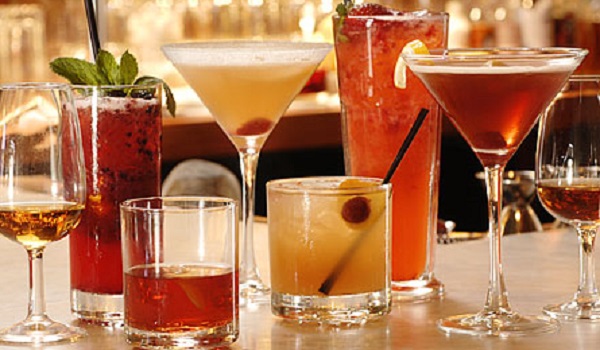
chilis happy hour

Chili's Happy Hour

Chili’s Happy Hour.

Chili’s Bar and Grill, America’s favorite hangout for Tex Mex lovers, has some excellent Happy Hour specials. If you don’t know just what the deals include or at what time the Chili’s Happy Hours start and finish, then you are at the the right page.

We have listed all Chili’s Happy Hour specials and times below. Generally, the Chili’s Happy Hours run from 3 PM to 6 PM in the afternoon, and again from 9 PM and until closing time. There is no Chili’s Happy Hour on Saturdays.

We have also included the Chili’s opening hours and closing hours, at the bottom of the page.

The Chili’s Happy Hour Specials.

These are some of the Happy Hour discounted items, that Chili’s offer during Happy Hours. Please be aware, that prices and availability may vary from location to location, so please call ahead.

Appetizers for $2.99

  • Skillet Queso–Cheese dip with seasoned beef. Served with Tostada chips & salsa. $2.99
  • Boneless Buffalo Wings – 5 Pieces – Half-order tossed in spicy buffalo sauce. Served with blue cheese dressing and celery. $2.99
  • Sweet Potato Fries $2.99
  • Crispy Onion String & Jalapeño Stack $2.99
  • Texas Cheese Fries-Half order of fries topped with Monterey & Pepper Jack and cheddar cheese, applewood smoked bacon, jalapenos and green onion. Served with house-made ranch dressing. $2.99

Appetizers for $4.99

  • Jumbo Soft Pretzels–$4.99
  • Burger Bites and Fries–2 Burger bites. $4.99
  • Nacho Chicken or Fajita Beef–Tequila wrappers and Baja bites (marinated chicken and cheese wrapped in a corn tortilla) served with tortilla chips, Gringo Dip and salsa. $4.99
  • South Western Eggrolls–Tortillas stuffed with chicken, black beans, corn, jalapeno, Jack cheese, red peppers & spinach. Served with avocado ranch sauce. $4.99
  • Boneless Buffalo Wings – 10 Pieces –Full order Tossed in spicy buffalo sauce. Served with blue cheese dressing and celery. $4.99

Happy Hour Drinks Menu:

  • Domestic Draft $1.99
  • House Wine $2.99
  • Well Drinks $1.99
  • Premium Draft $2.99
  • Margaritas $3.99

Chili’s Happy Hour Times.

Chili’s have afternoon happy hours and late night happy hours during the weekdays.

Monday-Friday Happy Hour.

Happy Hour Times:

  • 3 PM–6 PM
  • 9 PM–CLOSE

On Tuesdays, kids eat for free at Chili’s with the purchase of a regular adult entree.

Happy Hour Specials.

Choose from the $2.99 or $4.99 Happy Hour Appetizers Menu (see above).

Drinks Specials:

  • Domestic Draft $1.99
  • House Wine $2.99
  • Well Drinks $1.99
  • Premium Draft $2.99
  • Margaritas $3.99

All Day 2 for $20 Special:

  • The 2 for $20 Special lets you choose 1 appetizer and 2 full-size entrees for $20:
    • Appetizers–Fried Pickles, Panko Onion Rings, Tostada Chip & Salsa, Tostada Chips & Guacamole, Half-order Texas Cheese Fries.
    • Entrees–Fajitas (Chicken or Pork), Half Rack Baby Back Ribs with Fries, Mango-Chile Tilapia, Mango-Chile Chicken, Grilled Chicken Salad, Classic Bacon Burger, Cajun Chicken Pasta, Margarita Grilled Chicken, 6oz Classic Sirloin.

Saturday Happy Hour.

There is no Happy Hour at Chili’s on Saturdays.

Sunday Happy Hour.

Happy Hour Times:

  • 3 PM–6 PM
  • 9 PM–CLOSE

Happy Hour Specials.

Choose from the $2.99 or $4.99 Happy Hour Appetizers Menu (see above).

Drinks Specials:

  • Domestic Draft $1.99
  • House Wine $2.99
  • Well Drinks $1.99
  • Premium Draft $2.99
  • Margaritas $3.99

All Day 2 for $20 Special:

  • The 2 for $20 Special lets you choose 1 appetizer and 2 full-size entrees for $20:
    • Appetizers–Fried Pickles, Panko Onion Rings, Tostada Chip & Salsa, Tostada Chips & Guacamole, Half-order Texas Cheese Fries.
    • Entrees–Fajitas (Chicken or Pork), Half Rack Baby Back Ribs with Fries, Mango-Chile Tilapia, Mango-Chile Chicken, Grilled Chicken Salad, Classic Bacon Burger, Cajun Chicken Pasta, Margarita Grilled Chicken, 6oz Classic Sirloin.

Chili’s Hours of Operation

What time does Chili’s open and close? Well, it depends on the location, but the vast majority of Chil’s restaurants are open at these times:

Monday11:00 am-10:00 pm
Tuesday11:00 am-10:00 pm
Wednesday11:00 am-10:00 pm
Thursday11:00 am-10:00 pm
Friday11:00 am-12:00 am
Saturday11:00 am-12:00 am
Sunday11:00 am-11:00 pm

We recommend calling the restaurant in advance, before you visit.

Chili’s Holiday Hours

Many Chili’s restaurants have reduced opening hours or are closed on these holidays:

  • New Year’s Day
  • Martin Luther King Day
  • Presidents’ Day
  • Easter
  • Mother’s Day
  • Memorial Day
  • Father’s Day
  • Independence Day
  • Labor Day
  • Columbus Day
  • Veterans’ Day
  • Thanksgiving
  • Christmas Eve
  • Christmas Day
  • New Year’s Eve

chilis happy hour
“The downside to Happy Hour: You lose arguments with inanimate objects.
Your job is interfering with your drinking.”